Trauma & PTSD
Trauma can affect the way you think, feel, connect with others, and move through daily life. Whether your experiences are recent or from the past, therapy can help you process what you’ve been through and begin healing in a safe, supportive environment.
Children
Teens
Adults
Couples
Validation and Connection
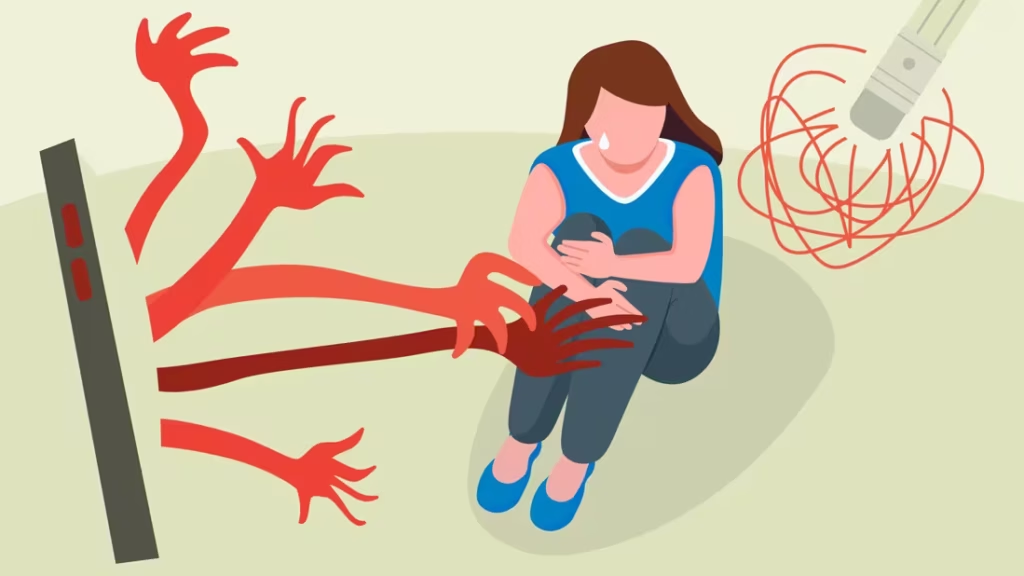
PTSD and trauma responses can develop after difficult or overwhelming experiences such as abuse, violence, loss, accidents, medical trauma, childhood experiences, or other distressing events. Therapy can help you process these experiences while learning tools to feel more grounded, connected, and emotionally safe.
How We Help with Trauma & PTSD
Therapy For All
We offer a range of therapeutic and specialty services designed to support individuals navigating trauma and PTSD. Because trauma impacts each person differently, we take a personalized and collaborative approach to care.
Our trauma-informed therapy focuses on helping you process experiences safely, reduce emotional distress, strengthen coping skills, and rebuild a sense of stability and self-trust.
During a free consultation, we’ll help determine which services may be the best fit based on what you’re experiencing.
Intrusive thoughts or flashbacks
-Anxiety, panic, or hypervigilance
-Nightmares or sleep disturbances
-Emotional numbness or dissociation
-Avoidance of certain people, places, or situations
-Difficulty trusting others or feeling safe
-Irritability, anger, or emotional overwhelm
-Struggles with relationships, focus, or daily functioning

✓ Personalized
✓ Supportive

Deborah Workman
LPC, NCC
Specializes in trauma

Heidi Grover
CCTP, LPC
Specializes in trauma & PTSD

Lori Conger
LMSW
Specializes in trauma & PTSD

Millie Taylor
LMSW
Specializes in trauma
Related: EMDR, Anxiety, Abuse & Domestic Violence, Grief & Loss, Depression

What Happens Next
- Schedule a free 15-minute consultation
- Learn about our therapy intensives
- Learn about our trauma therapy intensives using EMDR
Frequently Asked Questions
What does trauma therapy help with?
Trauma therapy can help with PTSD symptoms, anxiety, flashbacks, emotional overwhelm, avoidance behaviors, trust issues, emotional numbness, and difficulties related to past traumatic experiences. Therapy focuses on helping you process trauma safely while building coping skills and emotional stability.
Do I need a PTSD diagnosis to start trauma therapy?
No. You do not need a formal PTSD diagnosis to seek support. Many people experience trauma responses without meeting full diagnostic criteria for PTSD. If past experiences are affecting your emotional well-being, relationships, or daily life, therapy may help.
What can I expect during the consultation process?
Your free 15-minute consultation is a chance to share what you’ve been experiencing, ask questions, and learn about possible treatment options. We’ll help guide you toward services that best fit your needs, goals, and comfort level so you can decide your next steps with confidence.